




Freshly baked Tandoor Bread has a character that is hard to copy in a standard kitchen oven. Its lightly blistered surface, warm aroma and soft center come from the way a clay oven stores and radiates intense heat. The dough meets a hot clay wall rather than resting on a metal tray, so it cooks quickly and develops a pleasing contrast in texture. Understanding this simple difference helps explain why naan and tandoori roti are loved in restaurants and why the traditional method remains so special.
The Clay Wall Gives Tandoor Bread Its Texture
A clay oven’s thick chamber absorbs heat and releases it steadily across the cooking surface. When naan dough is pressed against the hot inner wall, the outside sets quickly while moisture inside turns to steam. This helps the dough puff and form bubbles, giving tandoor bread a tender center with golden, charred patches. Tandoori roti also benefits from direct contact with the heated clay, developing a rustic surface and a slight crispness around the edges. A flat baking tray cannot create quite the same contact. Both styles suit different meals. For readers comparing equipment, a Tandoor Oven brings dough into direct contact with the clay wall rather than a baking tray.
High Heat Helps Tandoor Bread Cook Quickly
A properly heated tandoor reaches temperatures far above those used for everyday baking. Naan can cook in roughly a minute or a little longer, depending on its thickness and the oven’s heat. This short cooking time helps the surface brown before the inside loses too much moisture. The result is bread that feels soft when torn but has appealing spots of char. A regular oven usually takes longer and heats the dough through surrounding air, so its crust and texture develop in a different way. That is what makes tandoor bread memorable.
Naan and Tandoori Roti Start with Different Doughs
Naan is usually made with refined wheat flour and may include yogurt, oil, milk or yeast, which give it a soft and slightly rich texture. Tandoori roti is commonly prepared with whole wheat flour and a simpler dough, creating a heartier bite and earthy flavor. Both breads can be cooked against a tandoor wall, but their ingredients and dough handling are not identical. Naan is often brushed with butter after baking, while roti is usually served plain or with a little ghee. The contrast keeps each mouthful satisfying. Both make excellent tandoor bread.
The Cooking Method Builds Flavor
The flavor of tandoor bread comes from more than the ingredients. Intense heat encourages browning on the surface, creating toasted aromas and small smoky notes where the dough blisters. The enclosed chamber also surrounds the bread with radiant heat, helping it cook rapidly and evenly when placed correctly. A conventional oven can bake good flatbread, but it generally does not reproduce the same wall contact or char pattern. That difference is easy to notice when warm naan is served straight from the tandoor.
Freshness Matters from Oven to Table
Tandoor bread is at its best soon after it leaves the oven. The crust is still lightly crisp, the center is warm, and the aroma has not faded. As the bread cools, steam escapes and the texture gradually changes, which is why restaurants often bake naan and roti in small batches during service. A quick brush of butter or ghee can add flavor to naan, while tandoori roti pairs well with dals, vegetables and curries. Serve tandoor bread promptly for its best texture. That freshness is worth waiting for.
Simple Pairings Make Every Bread Shine
The mild flavor of naan makes it a natural match for rich curries, creamy lentils and grilled kebabs. Garlic, coriander, sesame seeds or a little butter can add another layer without hiding the bread’s toasted taste. Tandoori roti is especially good with everyday dals, vegetable dishes and saucy meals because its whole wheat flavor stands up to bold spices. Tear the bread by hand and use it to scoop up each bite. Simple sides let the clay oven aroma remain part of the meal. Good tandoor bread needs little else.
Choosing a Tandoor for Home or Commercial Use
Not every kitchen has the same needs, and that is why tandoor ovens come in different sizes and fuel types. Home cooks usually want a compact unit that fits a patio, backyard or dedicated cooking corner, while restaurants and caterers need larger, heavy-duty ovens that can handle steady service and high volume.
Fuel is another choice to weigh. Gas models are easy to start and control, charcoal ovens are loved for their smoky aroma, and wood-fired versions suit people who enjoy the old-fashioned way of cooking. Tandoor Morni offers all of these options, so buyers can match the oven to their menu, space and cooking style.
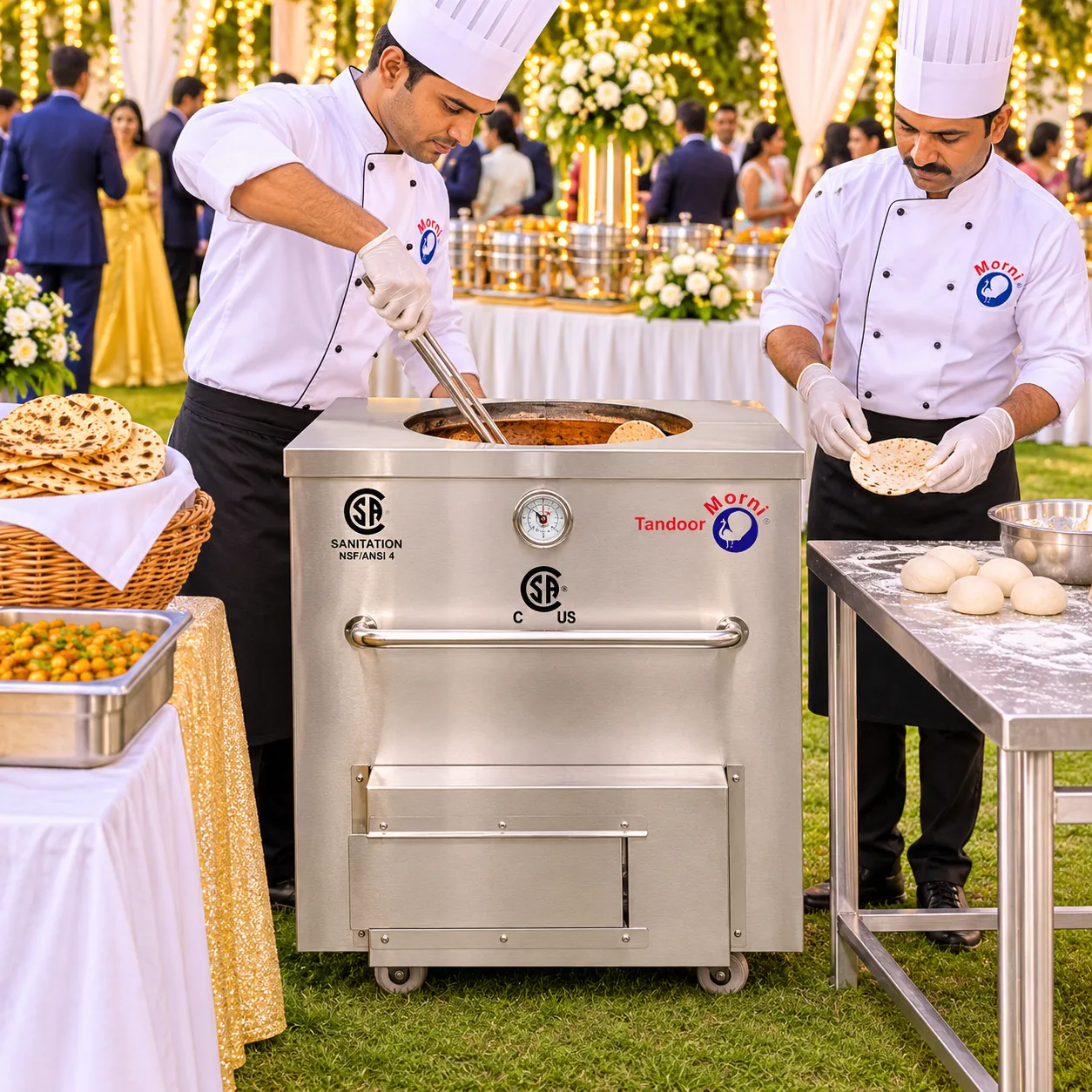
Safety and build quality matter just as much as size. Tandoor Morni ovens are made with a clay interior and a stainless steel exterior, and the commercial models carry NSF and CSA certifications that restaurant owners look for.
Simple Tips for Better Tandoor Bread at Home
Good tandoor bread starts well before the dough touches the oven. Let the dough rest long enough to turn soft and elastic, and keep the shaping light so the air bubbles inside are not squeezed out. A well-rested dough stretches easily and puffs better once it meets the hot clay.
Before baking, lightly moisten the surface of the dough so it sticks firmly to the wall of the tandoor. A padded cushion, often called a gaddi, helps you place the bread safely without touching the hot clay, and a long naan rod makes it easy to lift the bread out once it is golden.
Keep a close eye on tandoor bread while it bakes, because it cooks in a very short time. Remove it as soon as the edges are browned and the surface has a few dark blisters, then brush it with butter or ghee while it is still hot. A good set of accessories, such as skewers, rods and a gaddi, makes the whole process smoother and safer.
Conclusion
The appeal of clay oven naan and tandoori roti comes from a combination of hot clay, direct contact, quick cooking and carefully prepared dough. These details create a texture and flavor that a regular oven may approach but cannot fully duplicate. Whether you enjoy soft naan with a curry or hearty roti with dal, freshly baked tandoor bread brings warmth to the table. To explore equipment and traditional cooking methods, visit tandoormorni.com, where Tandoor Morni shares information about tandoor ovens for home cooks and professional kitchens.